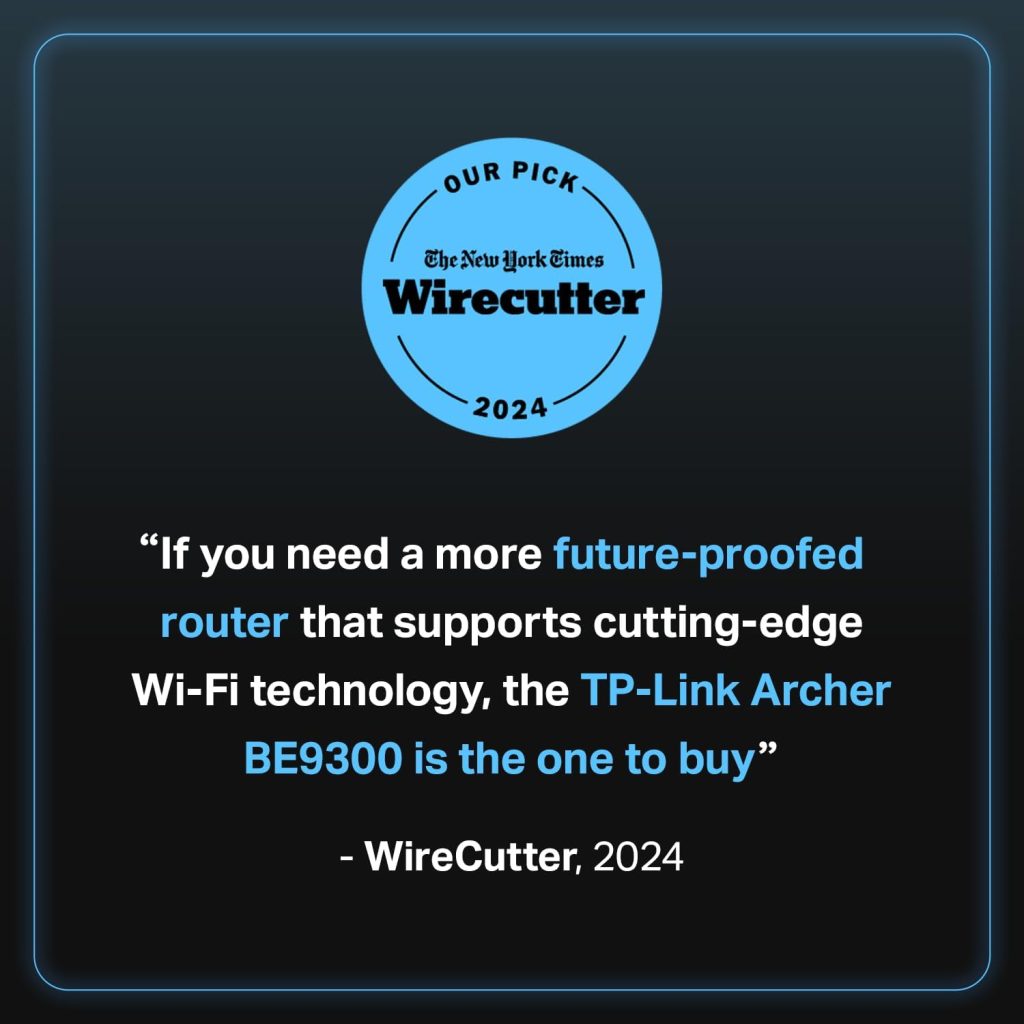
If you’ve been struggling with slow WiFi, buffering videos, or dropped connections, the TP-Link Tri-Band Archer BE550 might just be the upgrade your home network needs. This router isn’t just about speed—it’s about giving every device in your home a stable, seamless connection.
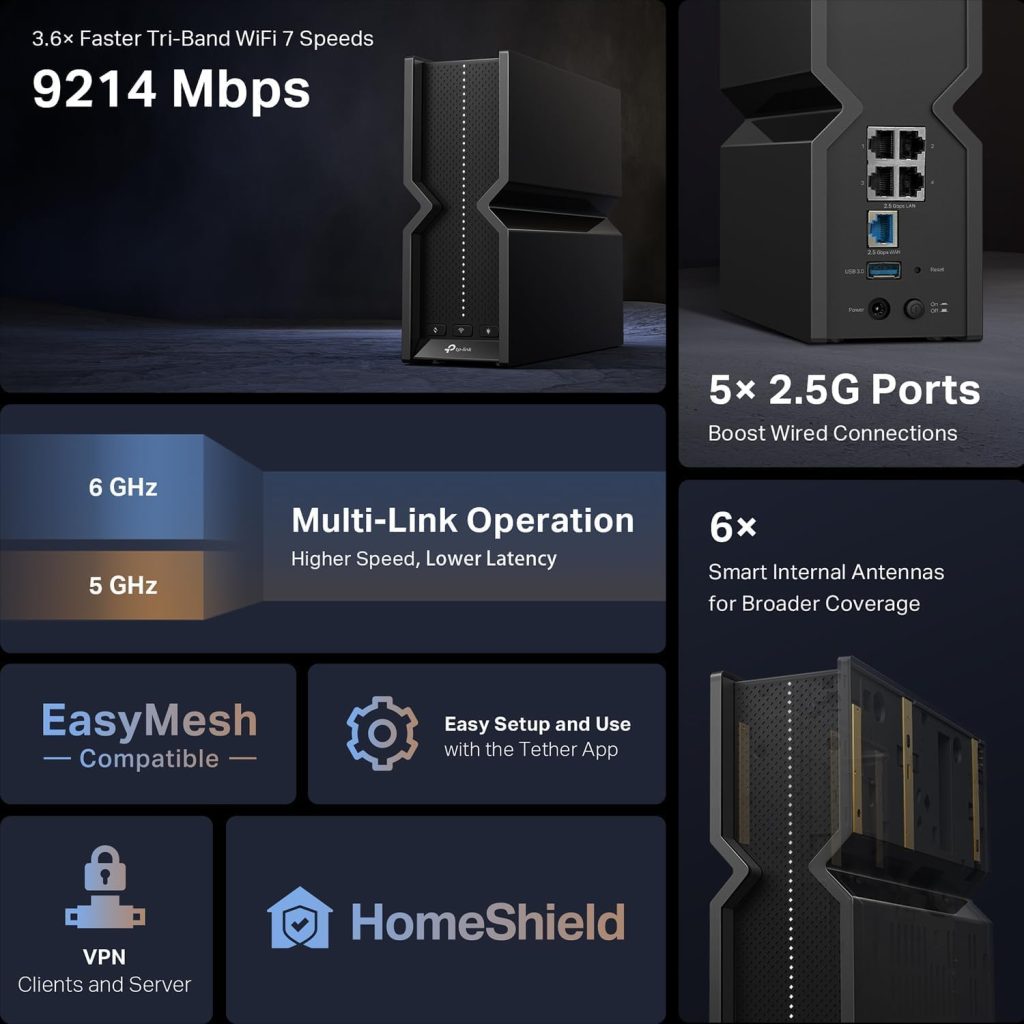
One of the standout features of the Archer BE550 is its tri-band design. With three dedicated WiFi bands, you can easily connect multiple devices without sacrificing speed. That means everyone in the household can stream, game, or work from home simultaneously without interruptions.
Another major advantage is HomeShield security. This feature helps protect your devices from online threats and gives you advanced parental controls. It’s perfect for families or anyone who wants an added layer of security without complicated setup.
Speed and Coverage: The Archer BE550 offers lightning-fast speeds up to 5400 Mbps, ensuring your smart TVs, laptops, and gaming consoles run smoothly. Its strong coverage means fewer dead spots, even in larger homes.
Easy Setup: Setting up the Archer BE550 is a breeze. With the intuitive TP-Link Tether app, you can manage your network, check device connections, and even control parental settings right from your phone.
💸 Deal Alert: Right now, the Archer BE550 is available for $199.99, which is 20% off the list price of $249.99! Deals like this don’t last long, so it’s a perfect opportunity to upgrade your home WiFi.
✅ Why You’ll Love It:
- Tri-band WiFi for multiple devices
- Fast speeds up to 5400 Mbps
- Robust coverage for large homes
- Advanced security with HomeShield
- Easy app-based setup
Don’t miss out—buy the TP-Link Archer BE550 today and enjoy faster, more reliable WiFi for everyone in your home!

WORKS WITH ALEXA
Add voice control by combining with an Alexa device
 This item
| Brand | TP-Link |
| Model Name | Archer BE550 |
| Special Feature | Access Point Mode, Guest Mode, QoS, Remote Access, WPS |
| Frequency Band Class | Tri-Band |
| Compatible Devices | Gaming Console, Personal Computer, Smart Television, Smartphone, Tablet |
| Recommended Uses For Product | Gaming, Home |
| Included Components | Power Adapter, Quick Installation Guide, RJ45 Ethernet Cable, Wi-Fi 7 Router Archer BE550 |
| Connectivity Technology | Wi-Fi (802.11ac, 802.11ax, 802.11n, 802.11g, 802.11be), Ethernet, USB |
| Color | Black |
| Antenna Type | Internal |
About this item
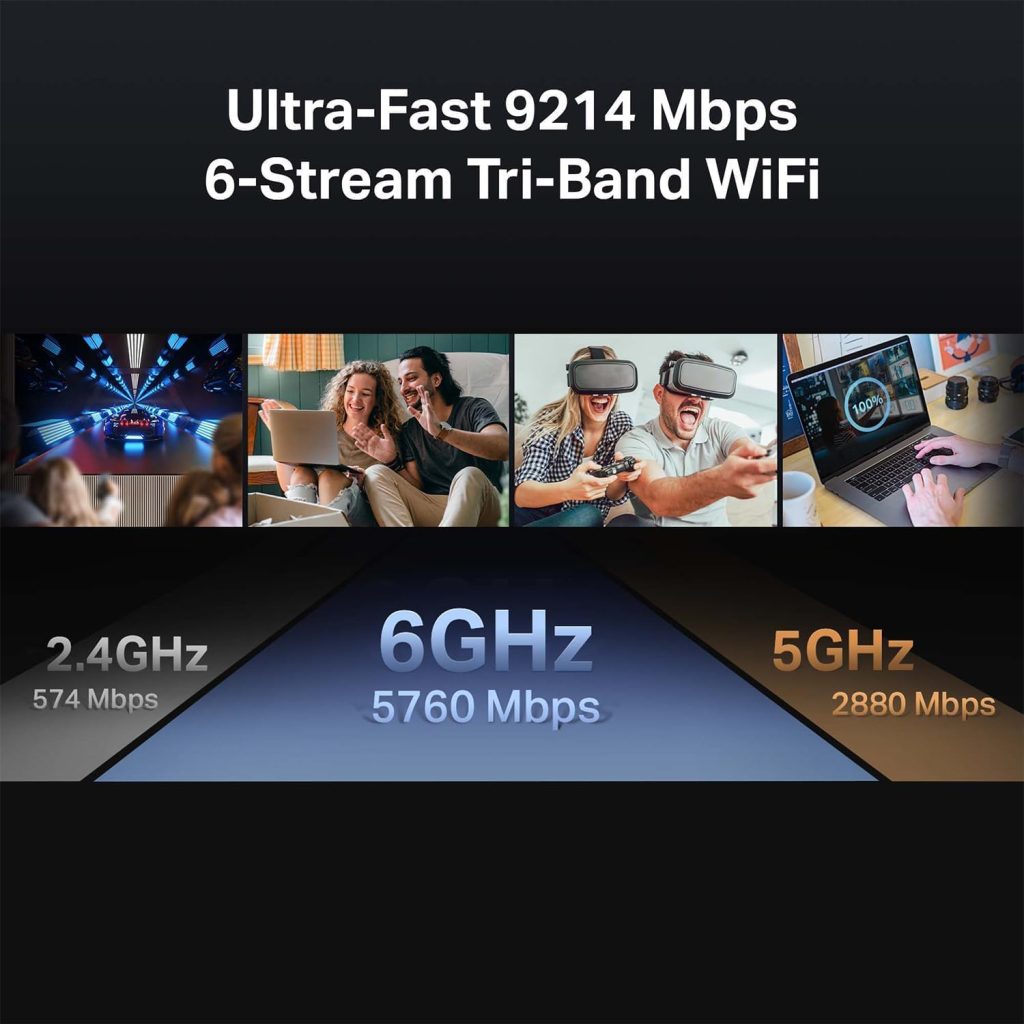
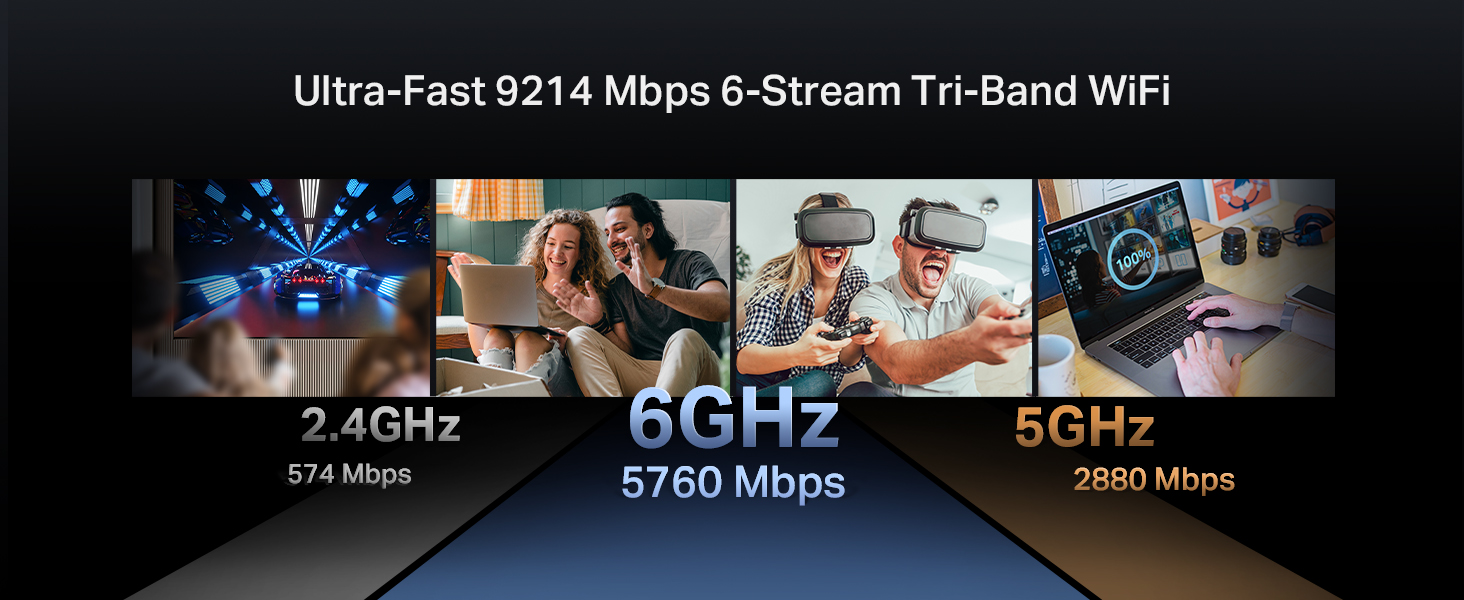
- BE9300 Tri-Band Wi-Fi 7 Speeds: Archer BE550 features Multi-Link Operation, Multi-RUs, 4K-QAM, and 320 MHz channels, providing blazing-fast speeds of 5760 Mbps (6 GHz band), 2880 Mbps (5 GHz band), and 574 Mbps (2.4 GHz band).
- Unmatched Performance for Streaming and Gaming: Ensures seamless 4K/8K streaming, engaging AR/VR gaming, and ultra-fast downloads for an optimal user experience.
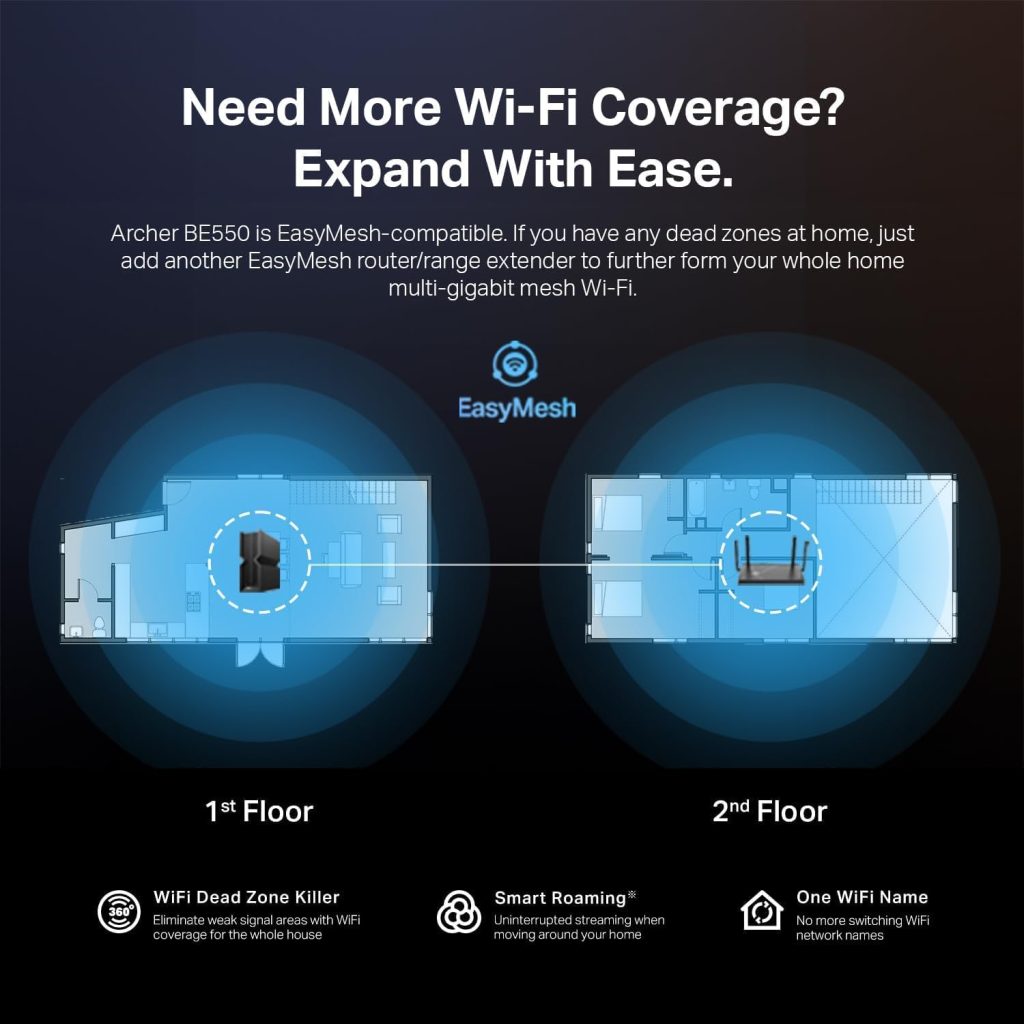
- Extend Your Coverage with EasyMesh: Add EasyMesh-compatible routers, range extenders, and wireless powerline adapters to form a seamless whole-home network that eliminates dead zones while reducing signal drops and lag when moving throughout your home.
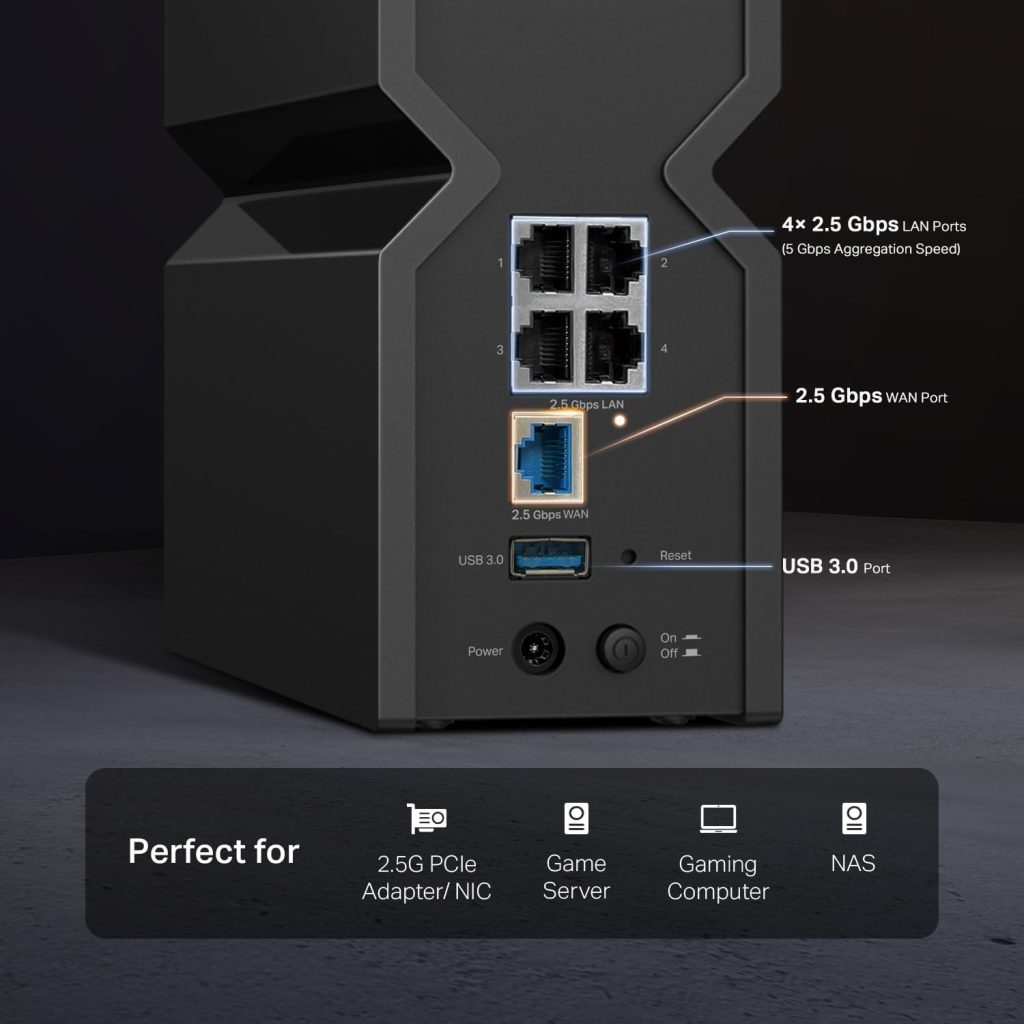
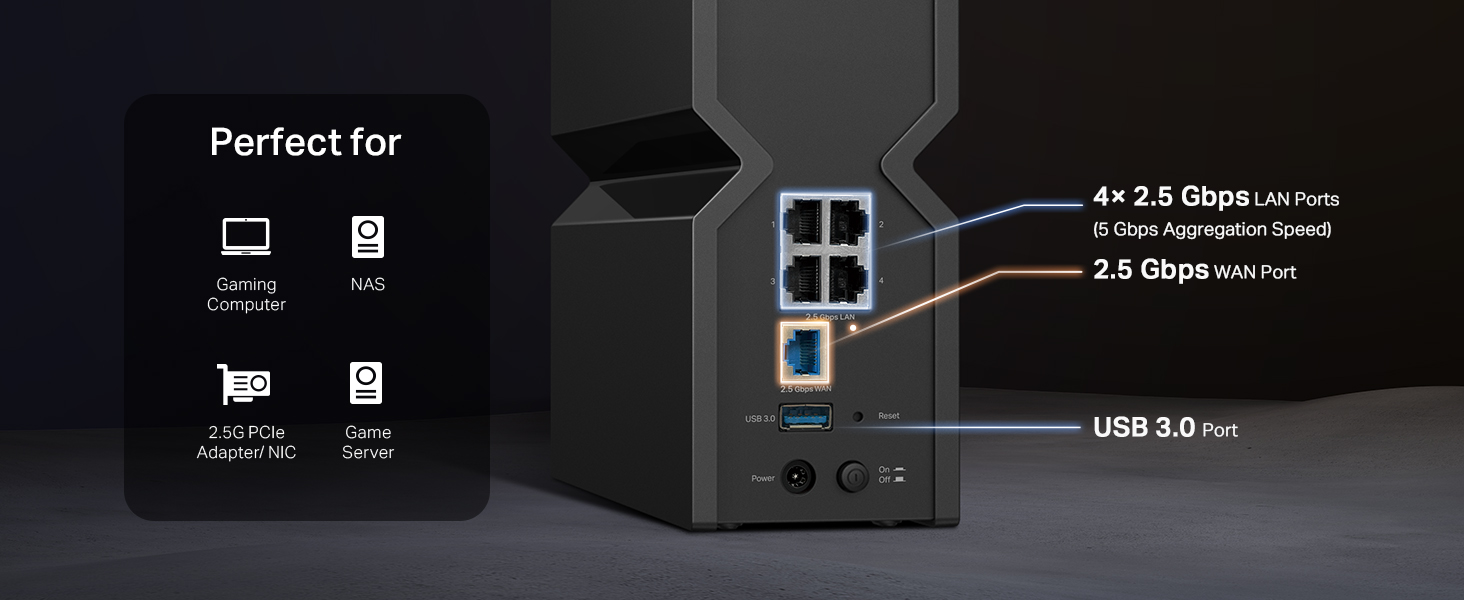
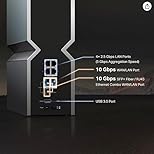
- Full 2.5G WAN & LAN Ports for Future-Proof Networking: Archer BE550 is equipped with one 2.5G WAN port and four 2.5G LAN ports, enabling peak device performance and offering an ideal solution for future-proofing your home network.
- Enhanced Experience with Premium Components: Our proprietary Wi-Fi optimization technology, combined with six strategically positioned antennas and Beamforming, ensures higher capacity, stronger and more reliable connections, and reduced interference.
- TP-Link HomeShield: Provides comprehensive network protection, robust parental controls, and real-time IoT security when you are at home or on the go. A safer internet experience enhances your smart living.
- Private IoT Network for Better Security: Set up a separate WiFi network for IoT devices, using HomeShield and WPA3 encryption to boost security and protect both your IoT devices and home network from cyber threats.

Top Brand: TP-Link
Highly Rated
100K+ customers rate items from this brand highly
Trending
100K+ orders for this brand in past 3 months
Low Returns
Customers usually keep items from this brand
From the brand



- Wi-Fi 7 MeshVisit the Store
From the manufacturer
Click to play video


Next pageWi-Fi 7 BenefitsMulti-Link Operation320MHz Channels4K-QAMMulti-RU


Next pageNeed More Wi-Fi?6x High Gain Antennas2,000 Sq. Ft. Coverage



What’s in the box
Wi-Fi 7 Router Archer BE550Power AdapterRJ45 Ethernet CableQuick Installation Guide
Product Description
Redefining Wi-Fi Routers With Wi-Fi 7
Supercharged by the latest WiFi 7 technology, Archer BE550 takes your WiFi network’s power and efficiency further than ever. Delivering unbelievable speeds up to 9.2 Gbps on a tri-band channel with WiFi 7 exclusive features like 320 MHz channel and 4K-QAM, the Archer BE550 will crush its competition with sheer performance. 6 x smart optimized antennas provide stable and reliable connection while EasyMesh compatibility will aid in the future expansion of your network coverage. The full 2.5 Gbps ports ensure maximum expandability and capacity while HomeShield provides detailed network analytics with enhanced security for your home network.
Warranty & Support
When purchasing the TP-Link Tri-Band Archer BE550, you can shop with confidence thanks to Amazon’s reliable return and support policies.
Amazon.com Return Policy: You may return any new computer or networking device, including the Archer BE550, that arrives “dead on arrival,” damaged, or still in its original unopened box, for a full refund within 30 days of purchase. Please note: Amazon may test “dead on arrival” returns and may charge a 15% fee if the condition is misrepresented. Products damaged through misuse, missing parts, or tampered with may incur a higher restocking fee. Returns are not accepted after 30 days of receiving the shipment.
Manufacturer’s Warranty: TP-Link offers a manufacturer’s warranty for added peace of mind. You can request warranty support directly through customer service to handle any hardware issues. Click here to request warranty support.
With both Amazon’s return protection and TP-Link’s warranty, your Archer BE550 purchase is fully safeguarded—so you can upgrade your WiFi worry-free.
Customer Reviews
The TP-Link Tri-Band Archer BE550 has received strong feedback from users worldwide, earning a 4.2 out of 5 stars rating from 25,108 global reviewers.
- ⭐ 5 stars – 69% of reviewers love it
- ⭐ 4 stars – 11% found it good
- ⭐ 3 stars – 7% thought it was average
- ⭐ 2 stars – 3% were somewhat disappointed
- ⭐ 1 star – 10% were unhappy with their purchase
Customers praise the Archer BE550 for its fast tri-band speeds, wide coverage, and reliable connectivity, making it ideal for homes with multiple devices. Some users noted setup could be a bit tricky initially, but the TP-Link Tether app makes managing the network much easier.
Overall, most buyers are highly satisfied, highlighting this router as a great value, especially with the current 20% deal at $199.99.
Customers say
Customers find the router reliable and easy to set up, with blazing fast speeds and good value for money. The connectivity and signal strength receive mixed reviews – while some report excellent connection and strong reception throughout the house, others experience connectivity issues and weak signals.
Generated from the text of customer reviews
Select to learn more
FunctionalityQualityEase of setupSpeedValue for moneyConnectivitySignal strengthWifi connectivity
Reviews with images
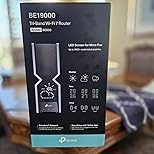
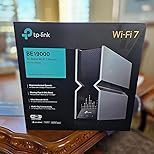
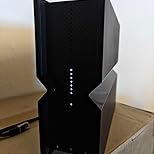
Top reviews from the United States
- Bryce5.0 out of 5 stars I don’t know what’s up with the subpar ratings, but read this review, you need itReviewed in the United States on August 13, 2024Style: BE9300Verified PurchaseI’m a 37 year old computer scientist that has breathed computers, internet, and all its assorted devices his whole life. TP-Link is a standout router company right now, probably due to relative under-performance in the medium term. But their current Wifi 7 routers are unmatched; it’s not even a debate. This is the best router you can get for the money right now, and with Wifi 7 bringing the MLO network, your wifi will have never been better (once you have devices that also support it, with the most important one being your smartphone (Samsung’s newest as of writing already has Wifi 7 support, with iPhone 16 pro rumored to be getting it. If you have both of these, you need to turn on the MLO network setting in your router. It is absolutely worth paying for to have it done if you don’t have the slightest clue how).
The app is also very easy and very pleasant to use, with a modern UX that today’s consumer demands. It can also help you set up your router, including said MLO network. Don’t forget to enable EasyMesh, too, if applicable.
And speaking of EasyMesh – do you need a new router? If that’s the question you have for yourself, I’d say that if it’s not Wifi 7 (and it almost definitely isn’t, or you wouldn’t be here) at the very least, then you do. But there’s another metric with a lower bar: go into your router settings and update its firmware right now. If it doesn’t support EasyMesh after that firmware update, yeah, you should upgrade. EasyMesh is the Wifi Alliance’s new standard Mesh system that will support a mesh network not just between different models of routers, but different companies. That’s huge. This, along with the MLO network, means that these modern routers are a very large step-change in technology, quite possibly the largest since 5Ghz and the advent of WPA2 encryption, and these were ages ago.
Bonus MLO network section:
Why is the MLO network a big deal for your smartphone? At a glance, it seems to just combine all the bands (2.4, 5, and 6Ghz) into one. So that just means higher throughput, right? Isn’t 5Ghz enough even for HDR 4k video on Netflix? Yes, it is. But while greater throughput is nice, think about it for a second. Right now, any Wifi network you connect to (meaning a singular named SSID) only supports one band. So if you’re connected to 5Ghz, and then you go outside into your backyard, you have to depend on your phone to be smart enough to switch to the 2.4Ghz to maintain a connection (since higher Ghz don’t travel as far). This often fails. What’s worse, even if it does switch, the phone often never sees the use in switching BACK to 5Ghz when you go back in the house, so you will be connected to the slower band potentially indefinitely, unless you go change the Wifi you’re connected to manually. And you’d have to do this every. single. time. Why even have all these nice bands with specific purposes if it’s so annoying to use? Well, here comes the MLO network to save the day. If all the bands can simply always be active on just one Wifi network, there’s never a choice to make in the first place: not for you, NOR your phone. You’re just always using all them. That means when you go into your backyard, your phone will simply be unable to use 5Ghz only because it’s too far away, but the MLO will still be sending packets on 2.4Ghz. And when you go back inside, there doesn’t need to be any intelligent decision by you nor the phone, since it’s still on the same network, and once you’re back in physical range, the 5Ghz will just start sending again right away. No user input needed, and no stupid algorithms making bad choices. And, it works with 6ghz too, of course. All 3 bands at the same time, on the same SSID. Do you see what I’m getting at now? It’s a huge step forward for both performance AND ease of use. Wifi 7’s MLO network, along with the Wifi Alliance’s EasyMesh standard will usher in a new era of Home Wifi performance, reliability and user experience, with the long-term goal of single band Wifi SSID’s disappearing completely and MLO network SSID’s being the norm.
But don’t get too excited – devices have to support Wifi 7 to see the MLO network. So for now, your phone will be one of the only devices to use it. But honestly, that’s good enough for now – the tech is that transformative. But one day, your toaster, fridge and Hue lighting system will simply connect to the one MLO network that exists, and no other single-band Wifi’s will even be on, because they will no longer have a use outside of legacy devices that some people just can’t live without.
Read more292 people found this helpfulHelpfulReport - Bmix5.0 out of 5 stars I must rescind my previous review.Reviewed in the United States on April 29, 2021Verified PurchaseMy first review of this product (below) was very negative and deeply sarcastic due to the many issues I was experiencing at the time. Since then, I’ve gone through many, many hours of troubleshooting, replacing products, replacing all the cable in my house, you name it – only to find that the issue lay with my Motorola cable modem the entire time. (FYI: apparently Motorola no longer makes their own modems; use that information as you will, then buy an Arris.) Since discovering the true source of the problem, this router has performed excellently. And now that everything is actually stable, I’ve been able to go beyond basic connectivity and finally start digging into the more advanced features of the product. This router has a number of enhancement and convenience features that I never even looked at before. I would strongly urge those that read my previous review to give this device a second look, as I’ve been able to coax truly impressive performance out of this. I’m leaving my original review up for the lulz, but when reading it, just substitute “Motorola MB8600” whenever you see this product’s name. Cheers!
—
Original review: I ordered the TP-Link AC4000 less than six months ago. Initially, it was decent–good speed, good stability, and the range was a noticeable improvement over my trusty old Tenda. The setup “required” you to install some absurd app, but after some digging, I was able to get to the web interface on the unit and skip taking up yet more space on my phone. After that, setup only took a few minutes, and all was well with the world for quite a while.
And then, about two weeks ago, I noticed I had never installed the firmware update. I suppose I’m at least partly to blame here, as I didn’t do my usual scouring-the-internet-for-bug-reports before clicking the button. Lesson relearned yet again.
I code for a living, but I know very little of what goes into making a firmware build or what the process is like. That said, I understand enough to know that something went very, very wrong with the version I upgraded to ( ‘1.0.3 Build 20191026 rel.16299’ ). The same day as installing it, I started to experience intermittent loss of connectivity, not on any of the wireless networks, but on the connection to the cable modem itself. When it happens, I can’t even get to the cable modem’s interface to see what’s going on there–instead I get some unhelpful message about lost connectivity to the internet (so I need the internet to get to a device in my house. Got it). This is now happening at least twice per day. To top it off, when it IS working, I can no longer connect with my phone when I’m in certain spots in my yard, areas that worked before the update. (I wonder if the range change is some sort of FCC thing, but that wouldn’t explain dropping the wired connection to the modem.) When this happens, the only fix is a power-off cold boot, as the ‘reboot’ function in the menu doesn’t fix the issue.
I won’t go through all the troubleshooting I’ve done, except to note that once you upgrade the firmware, this device will not let you go back to a previous version. And considering the “current” version appears to be from two years ago, a new update is about as likely as Harvey Weinstein taking back Miramax. I tried a number of tricks to force it but none worked. At this point I should note that, no, I haven’t contacted support for this, and frankly, I’m not going to. I don’t have hours to spend turning things off and on again while wishing for the sweet release of death, or at least mandatory jail time for whoever it is that records and sells hold music. Plus, I came up with a sort-of-drastic solution that should solve the issue permanently (more on that in a bit).
The last straw came yesterday when it dropped connection during a critical server maintenance procedure, literally at the single worst possible moment it could have happened. Fortunately, everything was fine (I was running my code in a Linux screen session, so it kept going), but the two-to-three-minute window waiting for it to come back up was absolute white-knuckle terror, not to mention the post-mortem drudgery of digging through logs to make sure all the steps had completed, as I had output piped to a different terminal, which of course went <poof>. I’m too old for this mess. Since it’s outside the return window, *BECAUSE OF COURSE IT IS*, I petitioned (read: “begged”) my employer to reimburse me for a Linksys, which is on its way. Meanwhile, it’s back to the super-cheap nearly-no-name Tenda, which has worked flawlessly for years now and was only replaced because I upgraded my internet and wanted something faster for working from home, which is very popular lately for whatever reason. Sigh.
In summary, if I had the resources to do so, I would build a tiny rocket, strap the TP-Link AC-4000 to it, and launch it directly into the sun, whilst enjoying the fresh spring air with a few close (read: “vaccinated”) friends and a glass of something expensive. Alas, I do not. Instead, I’m planning to give it as a Christmas gift to a couple I don’t like. I’ll flip it upside down, glue a couple of googly eyes on it, and tell their kids it’s a robot spider. At least then no one would make the mistake of trying to use it as–shudder–a router.
Read more96 people found this helpfulHelpfulReport - Marlon Gomez5.0 out of 5 stars Great product, worth it!Reviewed in the United States on August 25, 2025Style: BE19000Verified PurchaseThis item exceeded my expectations in both design and functionality. The build quality feels solid and well put together, with attention to detail that stands out compared to similar products. Setup was straightforward, and it integrated seamlessly into my existing setup without compatibility issues. Performance has been consistent — fast, stable, and reliable even under heavier use. I also appreciate the modern design that fits nicely with the rest of my equipment. Overall, a high-quality product that delivers exactly what it promises. Highly recommend for anyone looking for durability and performance.
One person found this helpfulHelpfulReport
Top reviews from other countries
Translate all reviews to English
 Djmarcos5.0 out of 5 stars Al momento funciona bien!Reviewed in Mexico on April 8, 2024Style: BE19000Verified PurchaseYo vengo de otro router Tp-link con WiFi6 que tenía desde hace aprox. 5 años, pero empecé a tener problemas de desconexiones, lo cambié por este modelo, y al momento va todo funcionando sin problemas, e conectado TV’s, celulares, laptops, tables, focos inteligentes, etc. y su conexión fue muy rápida en todos,
ReportTranslate review to English- Espada5.0 out of 5 stars I’m surprisedReviewed in the United Arab Emirates on May 27, 2025Style: BE9300Verified PurchaseThis is a great router I advise for it 💜💜
Report  Sul Smith (J.F.A.)5.0 out of 5 stars Mejoró el wifi y el alcance. Con muchísimas funciones. Tope de gama.Reviewed in Spain on December 14, 2013Verified PurchasePUNTOS POSITIVOS:
– El router doble banda más rápido que he probado hasta ahora.
– Muchísimas opciones de configuración en el panel del administrador.
– Servidor DLNA, Servidor FTP, Servidor de impresora USB, y Servidor de almacenamiento.
– Puede emitir a 2 frecuencias (2,4ghz y 5ghz).
*En mi caso mi portatil no reconoce la frecuencia de 5ghz aunque el movil (Nexus 5) si. La frecuencia de 5ghz es la recomendada para por ejemplo streaming de video o juegos online (al no tener tantas interferencias con otras redes wifi o aparatos electrónicos). Puedes desactivar alguna de las frecuencias si no las necesitas o si tus aparatos no la reconocen.
PUNTOS NEGATIVOS:
– Tamaño físicamente grande (mayor que otros routers que he probado).
– El panel del administrador puede resultar algo confuso (de tantísimas opciones que tiene y la manera en que se organizan).
Cuento mi experiencia: Hace tiempo mi proveedor de internet me aumentó la velocidad a 50 megas y me tuvo que cambiar el router antiguo por uno que soportara una mayor velocidad (Netgear CG3100D).
Todo fue “más o menos” bien, con la excepción de que:
1)No llegaba el wifi al salón de mi piso (no es exageradamente grande, 90m2).
2)la velocidad se reducía un poco con respecto al cable (en principio normal, ya que por wifi siempre llega menor velocidad).
3)A veces se “trababa” cuando había muchas conexiones al mismo tiempo y había microcortes de conexión.
Hace muy poco se me aumentó a 200 megas, y la cosa fue peor: No me llegaba ni un 30% de la velocidad contratada por wifi, etc y seguía sin tener acceso al wifi en el salón. Este router:
1) Mejoró la cobertura wifi del piso y ahora tengo wifi en donde no llegaba.
2) Aumentó considerablemente la velocidad de internet (sigue sin llegarme el 100%, pero si el 60%).
3) Tiene muchísimas opciones que en principio no sabía ni que existían.
La instalación básica fue muy sencilla. En la caja había un mini-cd (también se puede descargar desde su página web), seguí los pasos tal como indicaba y listo.
Los usuarios más avanzados pueden meterse en el panel del administrador a través de su explorador (en mi caso 192.168.0.1) y cambiar las opciones que deseen, pero para los que somos novatos la instalación standard a través del mini-cd fue una maravilla y en 10 minutos lo tuve montado.
Como curiosidad en páginas web especializadas comentan que TP-Link usará de ahora en adelante la nomenclatura “Archer” para los routers con el estándard ac (último standard de wifi lanzando en 2013).
ALTERNATIVAS:
TP-LINK TL-WDR4900 Una buena alternativa. Al sacar el Archer han reducido bastante de precio este modelo (80€ en diciembre 2013).
Sería un router que no se adecúa al último standard ac pero que para muchos otorga un rendimiento más que de sobra (y muchísimas funciones al igual que este. Puedes ver tablas comparativas que proporciona TP-Link para tomar tu decisión de un modelo u otro.
ASUS RT-AC66U 139,59€ diciembre ‘13 (envío gratis si eres de amazon premium).
Es un poco más caro que el router que el TP-Link que adquirí.
Emite doble banda, Gigabit LAN, 802.11ac – 802.11 a/b/g/n/ac, wifi para invitados, multitud de características… y con la garantía de una buena marca referente en la informática como es Asus. Además está en el Top 10 de routers comprados, por algo será….
ASUS RT-N66U 117,71€ en diciembre ’13 (envío gratis por amazon premium)
El modelo antiguo del anterior, Gigabit LAN, 802.11ac – 802.11 a/b/g/n…
CONCLUSIÓN:
El router TP-Link Archer C7 es fantástico y mi experiencia ha sido muy positiva.
¿Merece la pena gastarse más de 25€ por adquirirlo en lugar de TP-LINK TL-WDR4900? Probablemente no, ya que el rendimiento por lo que comentan en los foros es muy parecido. Yo me decidí a comprar el Archer ya que uso internet muchas horas diariamente y no me arrepiento de mi decisión.
Read moreReportTranslate review to English- Zed_the_Shredder5.0 out of 5 stars Incredible consumer router. Add Gargoyle firmware and you have the best consumer router, hands downReviewed in Canada on January 28, 2016Verified PurchaseI am coming from a TPLink WDR-4300 environment so the bar was already set very high. My WDR-4300 when running other firmware (Gargoyle) was a bulletproof router/AP. Not a single reboot/freeze/crash in months of operation even when my 25/10 connection was saturated.
The C7 is a step above and the best rated consumer router/AP by many publications. Some routers costing 5x more only provide marginal performance boosts. I paid $80, a real steal. The C7 happily runs OpenWrt/Gargoyle/DDWRT firmwares meaning you can tailor the controls/logging/protection levels for your network and your clients. Most of these allow you to configure a guest network which is amazing. You can provide access to someone who drops in and not have to worry that your main password will escape into the community, requiring you to reconfigure all your wireless devices, of which I have about 50 on my network. I put the adult children living here on the guest network which I have speed limited them to a paltry 256Kbps (this is about 5x dialup as they have misbehaved in a major disrespectful way and now have to suffer the consequences or buy their own internet service. Sometimes being the older adult is a blast.)
Mind you, I’ve been running the stock firmware now for a month and there’s not been a single reboot/freeze or dropped packet on my network. I recommend the stock firmware for non network savvy people. It’s fairly simply to configure, not Netgear simple, but not command line impossible.
I get 867mbps connection speed on 5ghz AC band with real world speeds of 50+ Mbps when moving files around. This is roughly half of 1ghz wired speeds but the convenience of wireless can’t be emphasized enough.
The only real shortcoming of this router doesn’t even affect me directly. I’ve noticed/read that compared to other routers GUI controls for child safety aren’t as powerful or flexible. You can implement anything you want, but some things require command line configuration which can intimidate. This may be a concern if you’re router shopping with child safety as a primary requirement.
I’m going to flash Gargoyle in shortly, after it properly supports 5ghz through the GUI. Gargoyle is my recommended firmware for the Tp Link series of routers. I find it bulletproof, incredibly stable, flexible beyond my dreams, and easy enough for a semi techotool like me to understand. So, TP Link router + Gargoyle firmware = perfect consumer router at unbeatable price.
Read moreReport - rrvvmm5.0 out of 5 stars Amazing, blazing..Reviewed in Saudi Arabia on May 25, 2025Style: BE9300Verified PurchaseIt’s really really good. Satisfied with this router.
Report
Important information
Legal Disclaimer
Maximum wireless signal rates are the physical rates derived from IEEE Standard 802.11 specifications. Connection to over 100 devices is based on laboratory test data, which analyzed the connections of different devices on the 6 GHz, 5 GHz, and 2.4 GHz bands simultaneously. These devices simulated a typical home scenario by running simultaneous applications in the same room that included 4K video, 1080p video, 720p video, file downloading, web browsing, IP cameras, and other IoT devices. Actual wireless data throughput, wireless coverage, and connected devices are not guaranteed and will vary as a result of internet service provider factors, network conditions, client limitations, and environmental factors, including building materials, obstacles, volume and density of traffic, and client location. Use of Wi-Fi 7 (802.11be), Wi-Fi 6 (802.11ax), and features including Multi-Link Operation (MLO), 320 MHz Bandwidth, 4K-QAM, Multi-RUs, OFDMA, and MU-MIMO requires clients to also support the corresponding features. Not all 320 MHz channels may be available in the 6 GHz band in some regions/countries due to regulatory restrictions. The 320 MHz bandwidth is only available on the 6 GHz band. Simultaneously, the 320 MHz bandwidth on the 6 GHz band and 160 MHz bandwidth on the 5 GHz band may be unavailable in some regions/countries due to regulatory restrictions. Double channel width and speed refer to 320 MHz compared to 160 MHz for Wi-Fi 6 routers. TP-Link EasyMesh-compatible products can network with other devices that use EasyMesh. Failed connections may be due to firmware conflicts of different vendors. The EasyMesh-compatible function is still being developed on some models and will be supported in subsequent software updates. HomeShield includes the Free Basic Plan. Fees apply for the Pro Plan. Visit tp-link.com/homeshield for more information. Use of WPA3 requires clients to also support the corresponding feature. Wi-Fi generations represent the wireless standard IEEE 802.11 a/b/g/n/ac/ax/be. All devices need to support 802.11 Wi-Fi protocols. A separate modem or gateway may be required. PPPoE, Static IP, and Dynamic IP are supported. PPTP and L2TP may also be supported under certain configurations. Actual network speed may be limited by the rate of the product’s Ethernet WAN or LAN port, the rate supported by the network cable, internet service provider factors, and other environmental conditions. This router may not support all the mandatory features as ratified in the IEEE 802.11be specification. Further software upgrades for feature availability may be required.